Uncovering vintage flooring during a home renovation often brings an unexpected sense of mystery and caution. Property owners across the United Kingdom frequently pause to ask what does asbestos tile look like when pulling back aged carpets or worn linoleum layers. Because microscopic mineral fibres are tightly bound inside vinyl, asphalt, or synthetic matrix materials, simple visual inspection alone can never offer absolute certainty for concerned homeowners.
Historical construction habits further complicate identification efforts in older British domestic properties today. Popular UK flooring manufacturers like Marley, Dunlop, and Armstrong installed millions of these resilient coverings between the post-war era and the late twentieth century. Since national production was completely banned by late 1999, identifying these historic floorings relies heavily on understanding subtle structural characteristics, retro aesthetics, and physical dimensions.
Key Visual Characteristics and Clues of Asbestos Tiles
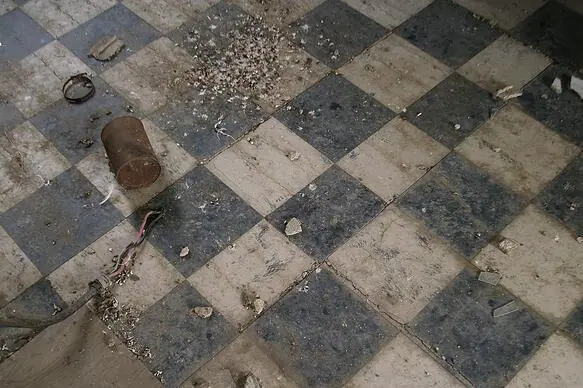
Homeowners curious about what does asbestos tile look like should first measure the physical dimensions of individual squares. The classic nine-inch by nine-inch square format serves as a primary visual indicator throughout older British residential properties. While twelve-inch alternatives were also widely manufactured, these older legacy products remain noticeably thinner, stiffer, and far more rigid than modern luxury vinyl flooring options available in shops today.
Color palettes and surface textures offer additional important clues during a careful visual inspection process. Traditional installations feature distinctive muted earth tones, marbled swirls, or speckled patterns specifically crafted to conceal everyday dirt and heavy wear. Ageing materials often lose their original structural flexibility, displaying brittle broken edges, superficial discolouration, or a dull, waxy sheen along heavily trafficked ground floor areas.
What Lies Beneath: Bitumen Adhesive and Subfloor Backing
Examining damaged edges reveals crucial details about what does asbestos tile look like beneath the top decorative surface. Lifting a broken section frequently exposes a dark brown or pitch-black tar-like adhesive known as cutback asphalt mastic. This underlying glue layer frequently contains chrysotile fibres, presenting a hidden health hazard even when the overlying square tile itself remains completely sound and safe.
Alternative product lines featured fibrous backing sheets located beneath thin decorative vinyl face layers. Homeowners investigating what does asbestos tile look like should watch closely for off-white or light grey felted material under lifted floors. These secondary subfloor layers tend to crumble easily when disturbed, releasing microscopic dust particles into surrounding living spaces if handled improperly during routine home improvement projects.
Common Locations in UK Properties
Identifying these materials requires knowing where original building contractors placed them throughout residential and commercial structures. Ground-floor kitchens, utility rooms, entrance hallways, and under-stairs storage areas frequently retain original vintage flooring installations. Bathrooms and downstairs cloakrooms also contain these durable floor coverings because of their exceptional moisture resistance and hardwearing protective surface finish.
Commercial environments, educational institutions, and local public housing corridors heavily utilized these resilient materials throughout the mid-twentieth century. Furthermore, modern property renovations frequently reveal ancient floor coverings hidden beneath newer laminate underlays, carpets, or screed layers. Recognizing these concealed historic installations helps prevent accidental physical damage during routine structural updates and property room makeovers.
Health Risks and UK Regulations: When Are These Tiles Dangerous?
Understanding health risks requires distinguishing clearly between stable materials and damaged structural components. Intact thermoplastic flooring encapsulates hazardous mineral fibres safely inside a solid compound matrix, effectively preventing airborne contamination during normal daily family activities. Consequently, undamaged surfaces present extremely minimal health risks to property occupants as long as nobody drills, sands, or scrapes the material.
UK health rules, including the Control of Asbestos Regulations, strictly govern how individuals handle these legacy construction materials. Modern safety guidelines completely prohibit aggressive DIY removal techniques that crush, grind, or pulverize older flooring layers. Uncontrolled physical abrasion breaks the protective binder matrix, dispersing hazardous microscopic dust throughout domestic spaces and exposing household residents to long-term severe health complications.
How to Safely Confirm and Test Suspected Tiles
Determining what does asbestos tile look like in your property requires systematic assessment rather than casual guesswork. Check historical property records to confirm whether the building was constructed or refurbished prior to the year 2000. If the construction era matches peak installation decades, treat any suspicious nine-inch floor tiles with appropriate caution until formal professional testing occurs.
Definite confirmation requires laboratory analysis conducted by accredited testing specialists across the country. Certified professionals collect small material samples safely without releasing dangerous loose dust into nearby living spaces. Once official laboratory results confirm the presence, property owners can choose safe encapsulation under new flooring or arrange professional removal by fully trained abatement contractors.
Conclusion
Determining what does asbestos tile look like involves examining square dimensions, retro marbled patterns, and underlying black bitumen adhesives. While nine-inch sizing and brittle textures offer strong indicators, visual assessment alone cannot provide absolute scientific confirmation. Staying properly informed about these subtle physical traits empowers property owners to make safe, educated decisions during home improvement projects.
Always prioritize family safety over speed whenever you discover suspicious vintage floor coverings beneath old carpets. Encapsulating undamaged materials or commissioning accredited laboratory testing ensures complete peace of mind while protecting your household. Respecting these historical building materials keeps your living space healthy, secure, and compliant with modern UK safety standards.
Frequently Asked Questions
Can I tell if a floor tile has asbestos just by looking at it?
No, visual inspection alone cannot provide a definitive answer for concerned homeowners. While nine-inch dimensions, marbled patterns, and black bitumen adhesive serve as strong indicators, microscopic laboratory analysis remains the only guaranteed method to confirm the presence of hazardous mineral fibres safely embedded within old floor coverings.
Are nine-inch floor tiles always made with asbestos?
While not universally true, the vast majority of nine-inch by nine-inch vinyl or thermoplastic tiles installed across the UK between 1950 and 1980 contain asbestos materials. Treat any vintage floor tiles matching these exact dimensions with extreme caution until proper testing takes place.
What should I do if I accidentally break a tile?
Stop working immediately and avoid sweeping or vacuuming dry debris, which spreads microscopic dust particles. Isolate the affected room, gently cover the damaged section with a damp cloth to suppress dust, and contact an accredited testing specialist or licensed abatement contractor without delay.
Is it safe to lay new flooring directly over old tiles?
Yes, covering sound and intact tiles with modern underlay, laminate, or luxury vinyl flooring is often the safest management approach. Encapsulation prevents fibre release effectively as long as you avoid drilling, nailing, or screwing directly into the original legacy tiles beneath.
Did tiles made after 1990 contain asbestos in the UK?
Usage declined dramatically throughout the late 1980s before a total legal ban took effect in the UK by late 1999. Domestic and commercial buildings constructed after the year 2000 are virtually guaranteed to be entirely free of these hazardous materials.
You may also read: Average UK Installation Price Benchmarks