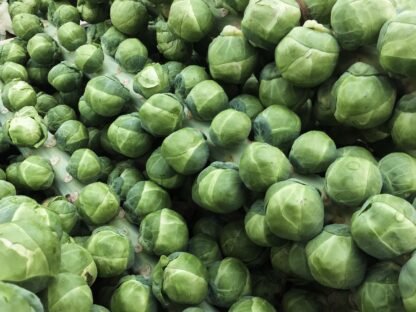
Navigating the fresh produce aisles across major British supermarkets reveals a remarkably dynamic pricing landscape for seasonal greens. Across standard retail chains, the current price of brussels sprouts generally hovers between eighty-nine pence and one pound seventy-eight pence per kilogram for whole, unpeeled loose or bagged varieties. Domestic shoppers enjoy access to an array of choices, ranging from simple budget five-hundred-gram bags to pre-washed and hand-trimmed gourmet options designed for maximum kitchen convenience.
Selecting the ideal format often dictates how far your household produce budget stretches each week. Standard five-hundred-gram bags represent the baseline entry point for value, whereas pre-trimmed, peeled, or sliced variations command higher unit costs due to factory processing overheads. By evaluating packaging distinctions and volume weight, astute buyers can stock their pantries with nutritious brassicas without incurring unnecessary grocery expenses.
UK Supermarket Price Comparison Across Major Chains
Budget supermarket giants including Aldi and Lidl continuously set the pace for competitive produce rates across Great Britain. At these discount destinations, the current price of brussels sprouts routinely rests around eighty-nine pence for a standard five-hundred-gram bag, creating an enticing offer for cost-conscious families. Their lean pricing model forces established competitors to adjust their shelf rates to maintain market share.
Mid-market supermarket chains like Tesco, Sainsbury’s, and ASDA heavily utilize digital loyalty card schemes to match budget competitors. Members utilizing digital apps frequently unlock promotional unit rates that rival discount stores, whereas premium outlets such as Waitrose and Marks & Spencer emphasize organic certification and stalk-attached fresh produce that justifies higher shelf rates.
Fresh vs Frozen Brussels Sprouts Value Analysis
Deciding between chilled fresh brassicas and frozen options plays a crucial role in managing overall monthly food expenditure. While fresh buttons deliver vibrant crunch and superior roasting caramelisation, frozen bags provide exceptional long-term freezer stability. The current price of brussels sprouts in frozen bags frequently works out significantly cheaper per serving, making them an ideal staple for pragmatic meal preparation.
Evaluating overall value requires balancing immediate checkout costs against potential domestic food waste. Frozen options allow home cooks to extract precise portions while preserving the remaining stock for months without spoilage risks. Conversely, culinary enthusiasts often gladly pay a minor premium for fresh whole buttons, particularly when assembling elaborate Sunday roasts or traditional holiday banquets.
Key Factors Influencing UK Brussels Sprout Prices
Local agricultural yields throughout Lincolnshire, Yorkshire, and Scotland largely determine national supply levels and retail shelf costs. During peak autumn and winter harvest cycles, domestic abundance keeps store prices exceptionally stable and accessible. When British farms experience optimal weather conditions, consumers reap the benefits of affordable checkout rates alongside peak crop freshness.
Conversely, spring and summer months demand imported shipments from continental growing hubs such as the Netherlands and Spain. Transportation overheads, import tariffs, and global fuel fluctuations push the current price of brussels sprouts upward during out-of-season periods. Furthermore, unpredictable weather shifts and rising farm operational costs exert persistent pressure on wholesale agricultural markets.
Seasonal Price Spikes and Christmas Promotions
The festive winter season transforms the retail atmosphere for traditional British dinner vegetables across the nation. As December approaches, consumer demand rises dramatically, prompting major supermarket chains to recalibrate their promotional strategies. Although surging demand typically inflates produce costs, intense supermarket competition yields aggressive holiday discount campaigns designed to draw shoppers into stores.
During the peak Christmas shopping period, major grocers regularly deploy key festive vegetables as strategic loss leaders. The current price of brussels sprouts often plummets to under twenty pence per bag during fierce December price wars. Strategic shoppers capitalize on these temporary reductions, purchasing extra quantities to roast with chestnuts, blend into winter soups, or craft festive side dishes.
Smart Shopping Tips for the Best Vegetable Deals
Securing the lowest checkout price requires strategic shopping habits when navigating local supermarket produce aisles. Signing up for store loyalty schemes unlocks immediate access to member-only discounts and price-matched lines across fresh vegetable categories. Selecting loose produce rather than pre-packaged bags also allows shoppers to purchase exact quantities, eliminating unnecessary expenditure on unused weight.
Timing your grocery visits can also yield substantial savings through clearance reductions late in the evening. Supermarkets routinely apply yellow discount markdowns to fresh produce approaching its display date. Purchasing intact stalks in late autumn offers another cost-effective strategy, supplying fresher buttons that store naturally longer in cool home pantries.
Conclusion
Understanding produce market trends enables British shoppers to secure exceptional value on fresh greens throughout every season. While standard retail rates fluctuate based on seasonal harvests and regional sourcing, comparing supermarket promotions ensures you never overpay for daily essentials. Balancing fresh purchases with frozen alternatives provides an effective method for maintaining healthy kitchen budgets.
Ultimately, taking full advantage of loyalty rewards, holiday loss-leader promotions, and smart shopping techniques keeps household dining costs low. Whether cooking simple midweek family dinners or planning celebratory weekend feasts, monitoring current grocery trends ensures nutritious vegetables remain an affordable staple in your home.
Frequently Asked Questions
What is the current price of brussels sprouts per kg in the UK?
The current price of brussels sprouts generally ranges between eighty-nine pence and one pound seventy-eight pence per kilogram for standard loose or bagged varieties across major UK supermarkets.
Which UK supermarket offers the cheapest brussels sprouts?
Discount chains like Aldi and Lidl consistently offer the lowest baseline prices, though Tesco and Sainsbury’s match these low rates through their respective digital loyalty programs.
Are frozen brussels sprouts cheaper than fresh options?
Yes, frozen sprouts are typically cheaper per kilogram and help reduce domestic food waste because you can use only what you need per meal.
When are brussels sprouts cheapest in the UK?
Prices hit their absolute lowest point during the winter harvest season and during competitive supermarket discount wars in the week leading up to Christmas.
Why do brussels sprout prices drop significantly before Christmas?
UK grocers utilize popular festive vegetables as loss leaders, slashing prices to attract shoppers who will complete their entire holiday grocery haul in-store.
You may also read: Buffet Prices and Operating Hours