Watching a lush green garden harvest or a pricey supermarket packet of delicate leaves wilt away can feel deeply discouraging for any passionate home cook. Seasoned culinary enthusiasts often look for clever ways to lock in those vibrant tastes before the cold weather sets in across the British Isles. Discovering how to freeze fresh herbs provides a wonderful solution to prevent unnecessary kitchen waste and keep your favourite culinary additions ready for action all year long.
Winter cooking frequently calls for rich, comforting meals that heavily benefit from bright, herbaceous notes. When you master how to freeze fresh herbs, you ensure your winter stews, casseroles, and Sunday roasts never taste flat or uninspired. This simple kitchen practice bridges the gap between bountiful summer gardens and chilly winter evenings, elevating every single dish you create with minimal effort and maximum reward.
Why Freezing Beats Traditional Drying
Traditional air drying methods often strip delicate leaves of their essential volatile oils, resulting in a dull, dusty, and disappointing flavour profile. On the other hand, choosing how to freeze fresh herbs locks in their brilliant colour and robust taste much more effectively. You retain that just-picked botanical essence that transforms ordinary weeknight dinners into extraordinary culinary experiences without losing precious aromatic qualities along the way.
Beyond superior flavour retention, this smart preservation technique proves remarkably cost-effective for modern household budgets. Buying greens in bulk or harvesting a massive garden glut no longer means watching half of them turn to mush in the refrigerated crisper drawer. Embracing how to freeze fresh herbs ensures maximum financial value from every single purchase, saving you money while guaranteeing top-notch ingredients are always on hand.
Essential Preparation Steps Before Freezing
Proper preparation serves as the absolute secret weapon to achieving professional results in your home kitchen. Begin by washing your greens thoroughly in cold water to remove any lingering dirt, dust, or garden pests. Pat them completely dry using a clean kitchen towel or a salad spinner because excess moisture causes severe freezer burn and ruins the delicate cell structure of the leaves.
Once your greens are impeccably clean and dry, you need to decide whether to strip the leaves from their woody stems. Tender varieties like basil and coriander prefer having their stems removed entirely, while sturdy plants like rosemary and thyme can often stay intact. Taking time with these initial steps guarantees your stored greens stay vibrant, aromatic, and delicious until you need them.
Discovering the Best Freezing Techniques
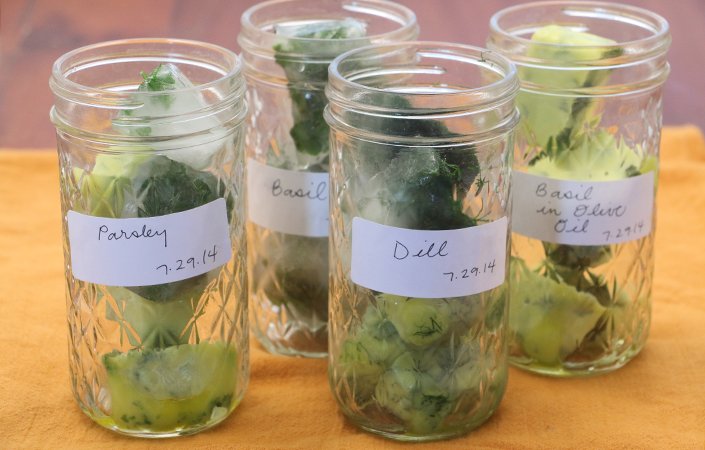
One popular technique involves chopping your greens finely and packing them neatly into clean ice cube trays. Pouring a little quality olive oil or water over the top creates a protective barrier against circulating cold air. Learning how to freeze fresh herbs using this clever tray method makes portion control effortless when you are rushing to prepare a weekday evening supper.
Alternatively, you can try a flat sheet technique by mixing chopped leaves with a tiny splash of oil inside a zip-top bag. Pressing the bag completely flat allows you to snap off a small piece whenever a recipe demands a quick burst of garden flavour. Both methods offer incredible convenience and integrate seamlessly into busy modern lifestyles across the country.
Choosing the Right Methods for Specific Greens
Different plants react uniquely to freezing temperatures, meaning a single approach does not suit every single variety you grow. Soft leafy greens like mint and parsley turn mushy if frozen naked, so they desperately require the oil or water cube treatment. Understanding these subtle botanical nuances prevents disappointment and ensures your culinary inventory remains high quality throughout the winter months.
When handling woody herbs such as sage or thyme, the process becomes even more straightforward for busy cooks. You can lay these sturdy stems directly onto a baking tray for a quick flash freeze before transferring them into airtight containers. This prevents individual sprigs from sticking together, allowing you to grab exact quantities whenever a rich casserole or roasted dish requires them.
Cooking with Your Frozen Harvest
When winter arrives and you are ready to cook, utilizing your preserved greens requires very little active thought. Most frozen cubes can go straight from the freezer compartment into a hot frying pan or simmering soup pot without prior thawing. This direct transition saves valuable time while infusing your favourite comfort food recipes with intense, authentic garden freshness.
Because the cell walls break down slightly during the freezing process, these ingredients excel in cooked dishes rather than raw salads. Master how to freeze fresh herbs and you will discover an effortless gateway to elevating soups, curries, and sauces. Enjoy the comforting taste of summer sunshine even when grey skies and frosty winds dominate the British landscape outside.
You may also read: Top Chase Cards and Market Value