
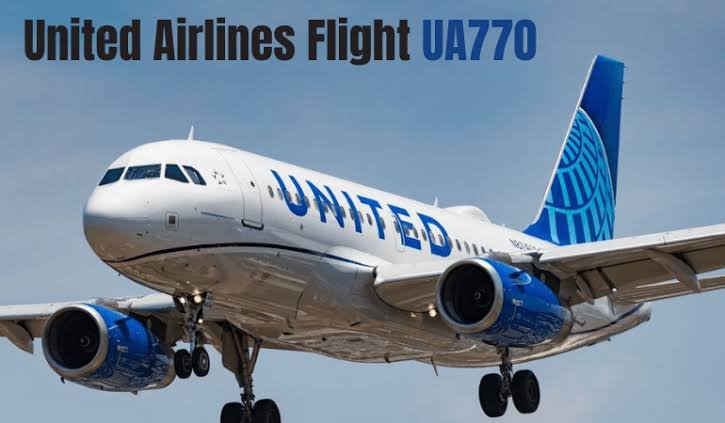
Commercial long-haul aviation operates under strict safety protocols, yet sudden operational challenges occasionally force aircrews to alter their plans mid-flight. During long transatlantic routes across European airspace, flight crews must evaluate real-time telemetry, atmospheric turbulence, and mechanical parameters. Executing the united airlines flight ua770 emergency diversion highlights the unwavering commitment of commercial carriers to prioritizing crew and passenger safety during unexpected inflight developments.
Air traffic control networks work continuously alongside flight deck crews to ensure seamless communication during unexpected course adjustments. When a long-haul aircraft encounters a system warning or operational anomaly over Europe, pilots evaluate nearby diversion airports capable of handling large wide-body aircraft. This initial assessment phase forms the critical foundation for orchestrating a safe, efficient, and well-managed landing at a suitable alternative hub.
Flight Path & Timeline: What Transpired Onboard UA770?
The transatlantic flight departed on its standard schedule from Barcelona El Prat Airport, heading west across Europe towards its planned destination. The Boeing aircraft climbed smoothly to cruising altitude, with cabin crew initiating routine inflight service across all travel classes. However, as the aircraft navigated along its assigned flight path, flight deck instruments flagged an unexpected condition that required immediate operational evaluation by the captains.
Recognizing the need for a swift operational change, the flight crew promptly transmitted an emergency status signal to regional air traffic controllers. The pilots altered their original trajectory and turned northwest toward British airspace to secure a safe runway long before crossing the open Atlantic. Air traffic control granted immediate priority clearance, leading to a controlled and smooth touchdown at London Heathrow Airport.
Understanding the Cause Behind the United Airlines Flight UA770 Emergency Diversion
Modern commercial jets are equipped with advanced diagnostic sensors designed to monitor every critical subsystem throughout long-haul flights. Initiating the united airlines flight ua770 emergency diversion was a precautionary decision triggered by onboard warning indicators that required immediate ground inspection. Choosing an early diversion point eliminates potential risks long before minor technical alerts can escalate into severe operational hazards.
Selecting London Heathrow Airport as the diversion point provided substantial operational benefits for the flight crew and airline dispatchers. Heathrow features long dual runways, extensive technical facilities, specialized engineering crews, and ample ground resources equipped for wide-body maintenance. Landing at a major hub ensures that mechanical checks, diagnostic tests, and necessary repairs occur swiftly under ideal operational conditions.
Aviation Protocol & Crisis Management: How Emergency Landings Work
When an aircraft declares an emergency status, air traffic control agencies initiate a coordinated emergency response protocol across the airspace sector. Air traffic controllers immediately clear surrounding flight corridors, assign optimal altitudes, and provide direct vectoring toward the arrival runway. This priority handling ensures that the diverted aircraft experiences zero delays from holding patterns or local air traffic congestion.
Simultaneously, airport ground teams prepare landing facilities and deploy airport emergency services as a standard safety precaution. Flight crews manage onboard systems, calculate safe landing weights, and complete comprehensive checklists prior to descent. This meticulous coordination between pilots, controllers, and ground personnel ensures that emergency landings proceed with complete precision and professional calmness.
Passenger Experience & Operational Impact at London Heathrow
Following a safe touchdown on the runway at London Heathrow, the aircraft taxied smoothly toward a designated gate under its own power. Flight attendants maintained clear communication throughout the cabin, reassuring passengers and explaining the ground procedures ahead. Ground handlers arrived at the gate quickly to assist passengers as they disembarked safely into the airport terminal facilities.
Airline customer support teams worked diligently at Heathrow to manage accommodation, meal arrangements, and ongoing travel logistics for all affected travelers. Passengers received updated flight schedules and rebooking options to complete their journeys across the Atlantic comfortably. Meanwhile, certified maintenance engineers immediately began evaluating the aircraft to resolve the underlying technical alerts.
Transatlantic Flight Safety & The Role of ETOPS Standards
Commercial transatlantic flights operate under strict Extended-range Twin-engine Operational Performance Standards, commonly known as ETOPS regulations. These strict international guidelines mandate that aircraft must always remain within a specific flying distance from suitable diversion airfields. This regulatory framework ensures that long-haul flights maintain constant access to safe landing sites throughout their entire ocean-crossing routes.
Precautionary diversions serve as clear evidence that modern commercial aviation safety networks function exactly as intended. Pilots undergo extensive simulator training to handle unexpected technical scenarios calmly, methodically, and decisively. The successful management of this flight underlines the robust culture of risk mitigation that makes international commercial flying extraordinarily safe.
Conclusion
The united airlines flight ua770 emergency diversion highlights the efficiency, discipline, and effectiveness of modern aviation safety systems. From the initial detection of an onboard technical alert to the safe touchdown in London, every operational phase reflected rigorous professional standards. Both flight deck crews and ground support teams prioritized passenger well-being at every stage of the event.
Ultimately, unscheduled diversions emphasize the resilience and redundancy built directly into international commercial flight operations. Passengers experienced first-hand how flight crews, air traffic controllers, and airport support services collaborate seamlessly during unexpected situations. The successful resolution of this incident reinforces global confidence in transatlantic air travel safety.
Frequently Asked Questions (FAQs)
What caused the united airlines flight ua770 emergency diversion?
The diversion was initiated as a precautionary measure following an onboard technical alert detected by the flight crew over Europe. Standard aviation safety rules dictate landing at the nearest major airport to perform a thorough ground inspection whenever non-critical warnings occur.
Where did United Flight UA770 land during its emergency?
The aircraft diverted safely to London Heathrow Airport (LHR) in the United Kingdom. London Heathrow is a primary international hub equipped with extensive maintenance infrastructure, long runways, and dedicated ground support teams.
What care do airlines provide when an international flight diverts?
Airlines follow strict international duty-of-care guidelines during unscheduled diversions. Passengers receive terminal assistance, refreshment vouchers, hotel accommodations if necessary, and rebooking onto alternative flights to reach their final destinations safely.
You may also read: Compatibility and System Requirements for UK Users