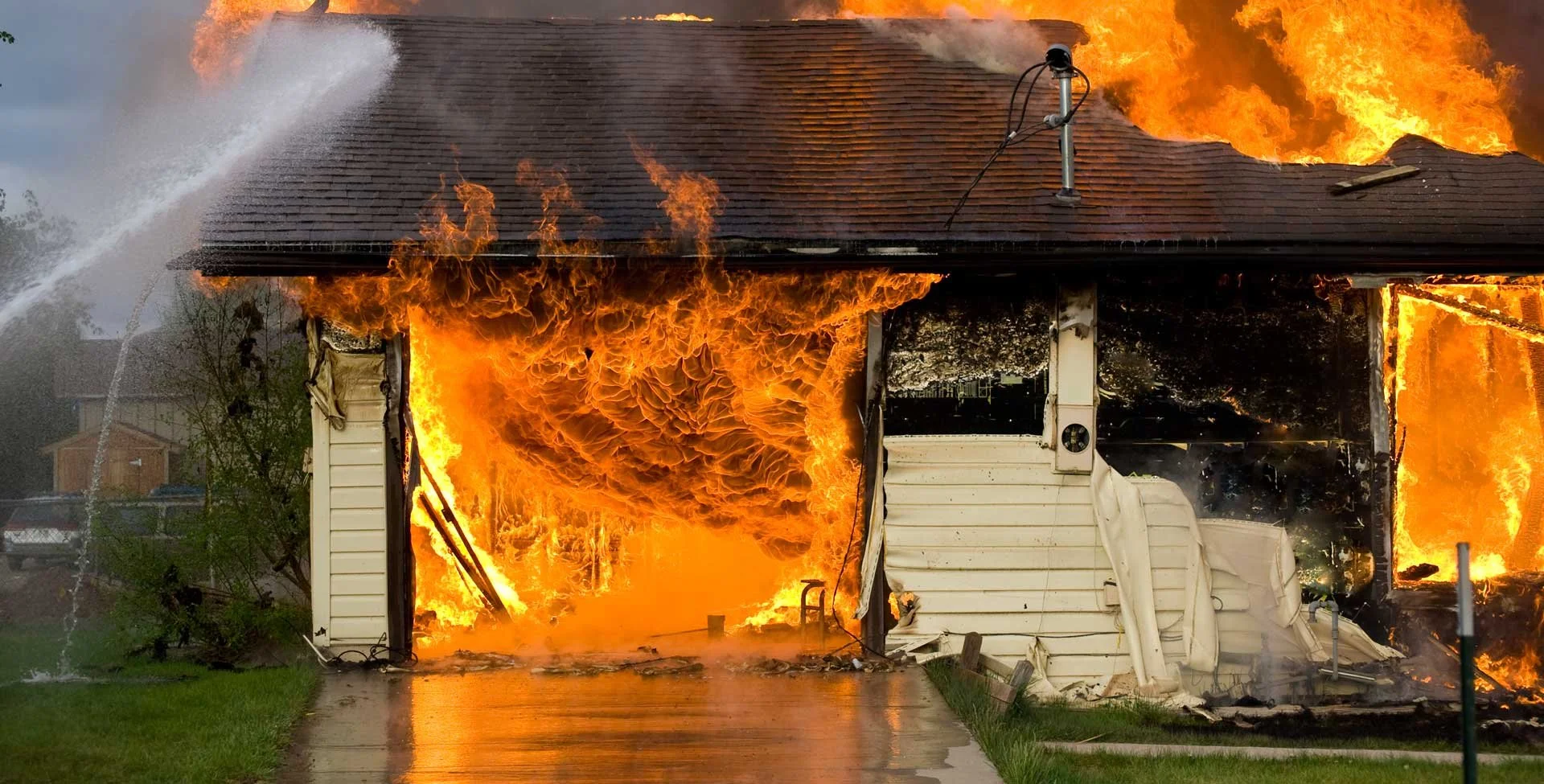
When disaster strikes a home or commercial property, the resulting destruction can instantly feel completely overwhelming for any property owner. The dual threat of flame and flood continuously weakens fundamental structures, corrupts vital building materials, and creates severe environmental hazards that compromise safety throughout the entire premises. Professional intervention during these chaotic events ensures that structural elements are preserved while safeguarding occupants from toxic exposure and lingering hazards across every room.
Fire and water damage restoration requires immediate, specialized action to mitigate secondary destruction across affected property areas. The initial hours following a tragic incident represent a vital window where proper mitigation halts aggressive mold growth and prevents severe structural decay. By engaging certified emergency technicians, property owners receive comprehensive care that addresses immediate stabilization alongside long-term structural repairs across residential and commercial buildings throughout the country today.
Immediate Steps What to Do in the First 24 Hours
Entering a damaged property before receiving official clearance from local emergency services presents significant physical danger to everyone involved. Unseen structural weaknesses, compromised floorboards, and submerged electrical systems create severe hazards that require thorough safety checks before anyone steps foot inside. Once safety is confirmed, isolating main utility connections prevents electrical shocks while technicians assess the full scope of destruction across every floor of your home.
Accurate documentation forms the backbone of every successful insurance claim following an unexpected disaster on your property. Taking detailed photographs and video footage of all affected rooms and personal items provides essential proof for loss adjusters. Establishing an early paper trail helps protect your financial interests and ensures that your restoration team can quickly execute emergency board-up procedures to secure vulnerable structural openings without unnecessary delays.
Understanding the Dual Threat How Fire and Water Interact
The extinguishing process often introduces massive volumes of liquid into a building that is already structurally compromised by intense heat. High-pressure hoses and active sprinkler systems saturate walls, subfloors, and ceiling voids, creating severe secondary moisture issues. Trapped liquid behind plasterboard promotes rapid deterioration, causing materials to swell, warp, and lose structural integrity within a remarkably brief period after flames are extinguished.
Combining acidic soot particles with standing moisture creates a highly corrosive sludge that rapidly damages household surfaces. Toxic residue penetrates deeply into porous building materials, HVAC systems, and soft furnishings, accelerating chemical degradation throughout the property. Without immediate fire and water damage restoration techniques, damp conditions trigger widespread mold proliferation that spreads rapidly through hidden wall cavities within forty-eight hours of exposure.
The Professional Fire and Water Damage Restoration Process
Comprehensive recovery begins with an exhaustive structural assessment using high-precision moisture meters and thermal imaging cameras. Technicians identify hidden pockets of moisture trapped behind surfaces, categorizing the extent of liquid contamination and fire severity. This initial diagnostic phase enables specialists to engineer a targeted recovery strategy tailored to the precise structural needs of the affected property from top to bottom.
Once standing liquid is removed with powerful extraction pumps, industrial desiccant dehumidifiers and high-velocity air movers are deployed across affected zones. Specialists monitor atmospheric drying using psychrometric standards to ensure structural timbers return to safe moisture levels. Following complete drying, technicians utilize dry-sponge techniques, HEPA vacuums, and thermal fogging to eliminate stubborn soot deposits and persistent smoke odors completely from the premises.
Navigating Property Insurance Claims in the UK
Navigating an insurance claim after a major incident requires clear communication between property owners, loss adjusters, and technical teams. Insurance loss adjusters evaluate damage on behalf of the insurer, making complete documentation and technical reporting vital for claim approval. Qualified restoration contractors liaise directly with insurance providers, submitting detailed scope-of-work reports that accurately detail every necessary repair required to restore the building.
Selecting technicians holding British Damage Management Association accreditation guarantees that all work complies with recognized national standards. Accredited specialists maintain thorough drying logs, decontamination certificates, and structural reports required by insurers for claims approval. This rigorous approach streamlines the settlement process, ensuring that your property receives full financial coverage for all necessary technical repairs without unexpected financial burdens on your family.
Health Safety and Structural Hazard Risks
Structural compromise represents one of the most significant dangers following a combination of high heat and moisture absorption. Weakened support beams, warped roof joists, and saturated ceilings pose continuous collapse risks long after the initial emergency ends. Professional crews conduct rigorous structural stability assessments before initiating heavy remediation work, protecting workers and occupants from catastrophic collapse hazards throughout the cleanup operation.
Health risks extend beyond structural instability to include severe biological and chemical hazards present throughout contaminated environments. Disturbed asbestos insulation in older properties, aggressive mold spores, and lingering volatile organic compounds create hazardous breathing conditions. Expert fire and water damage restoration protocols eliminate these hidden environmental toxins using specialized air scrubbing technology and personal protective equipment for maximum safety guarantees.
Residential vs Commercial Restoration Requirements
Residential property recovery focuses heavily on personal health, contents salvage, and restoring comfort for displaced families. Technicians utilize delicate cleaning methods to recover sentimental personal items, heirlooms, and soft furnishings affected by smoke or moisture. Coordinating temporary living arrangements alongside steady structural repairs helps families navigate the emotional stress associated with unexpected residential property disasters during a difficult time.
Commercial restoration places primary emphasis on business continuity, strict downtime reduction, and comprehensive risk management strategies. Commercial projects often require phased remediation schedules that allow partial business operations to continue safely during structural repairs. Full compliance with Health and Safety Executive regulations ensures that commercial environments meet strict legal safety standards before employees return to their regular workplace duties safely.
Choosing the Right 24/7 UK Restoration Specialists
Selecting a reliable recovery partner requires verifying key industry accreditations, emergency capabilities, and professional liability insurance coverage. Certified firms demonstrate advanced technical proficiency in structural drying, toxic residue removal, and full building reconstruction. Choosing a company with verified credentials ensures your property receives care that meets established UK damage management standards while protecting your investment for the future.
Emergency response speed remains a vital factor when selecting a restoration provider to handle sudden property disasters. Companies offering genuine round-the-clock availability can deploy equipment immediately, minimizing structural decay and reducing overall restoration costs. A dependable team manages the entire project from initial emergency containment through final cosmetic reconstruction, providing complete peace of mind to property owners in crisis.
Conclusion
Recovering from property destruction requires a swift, methodical approach that addresses structural damage, health risks, and insurance requirements. Professional fire and water damage restoration stabilizes compromised structures, removes dangerous chemical residues, and prevents secondary mold growth across affected areas. Entrusting your property to certified specialists ensures that every phase of recovery meets strict technical and environmental safety standards throughout the entire building.
Taking immediate action following an emergency protects your property investment and accelerates the overall claim and recovery timeline. By engaging qualified damage management technicians, you ensure your home or business is returned to a safe, healthy, and structurally sound condition. Contact a dedicated restoration team today to secure your property and begin the journey toward complete structural recovery without delay.
Frequently Asked Questions
How long does the fire and water damage restoration process take?
The timeframe for complete restoration varies significantly based on the severity of the incident and the structural layout of the property. Minor water extraction and localized drying typically take between three and five days to achieve safe moisture levels. Extensive structural repairs, soot decontamination, and full reconstruction following a major incident can take several weeks or even months to complete fully for complex premises.
Can I clean up fire and water damage myself?
Attempting DIY cleanup after a major property disaster exposes you to severe health hazards, including toxic soot, hidden mold spores, and structural instability. Household cleaning equipment lacks the power to extract deeply embedded moisture or eliminate complex smoke odors trapped inside building materials. Leaving remediation to certified professionals ensures complete structural drying, proper hazard containment, and full compliance with insurance guidelines for safety.
Does UK buildings and contents insurance cover fire and water damage restoration?
Most standard UK home and commercial property insurance policies provide comprehensive coverage for damage caused by fires, burst pipes, and sudden flooding. However, policy terms, excess fees, and coverage limits vary significantly between individual insurance providers. It is crucial to notify your insurer immediately after an incident so that accredited restoration teams can document the damage correctly for claim processing without unnecessary complications.
Why is water damage common after a property fire?
Water damage is an unavoidable secondary consequence of firefighting operations executed to extinguish property flames effectively. Fire services deploy thousands of litres of high-pressure water, while automated internal sprinkler systems discharge large volumes of liquid across multiple floors. This vast quantity of water quickly saturates building materials, creating severe dampness that requires immediate extraction and industrial dehumidification by certified teams.
How do professionals eliminate lingering smoke smells after a fire?
Eliminating stubborn smoke odors requires advanced technical equipment that neutralizes microscopic odor molecules trapped within porous surfaces. Restoration specialists utilize thermal fogging, ozone generators, and hydroxyl technology to chemically break down soot particles rather than simply masking the smell. Combined with deep surface cleaning and HEPA air scrubbing, these professional treatments permanently restore fresh, clean indoor air quality to every affected room.
You may also read: Ideal Placement and Architectural Applications for Stained Glass