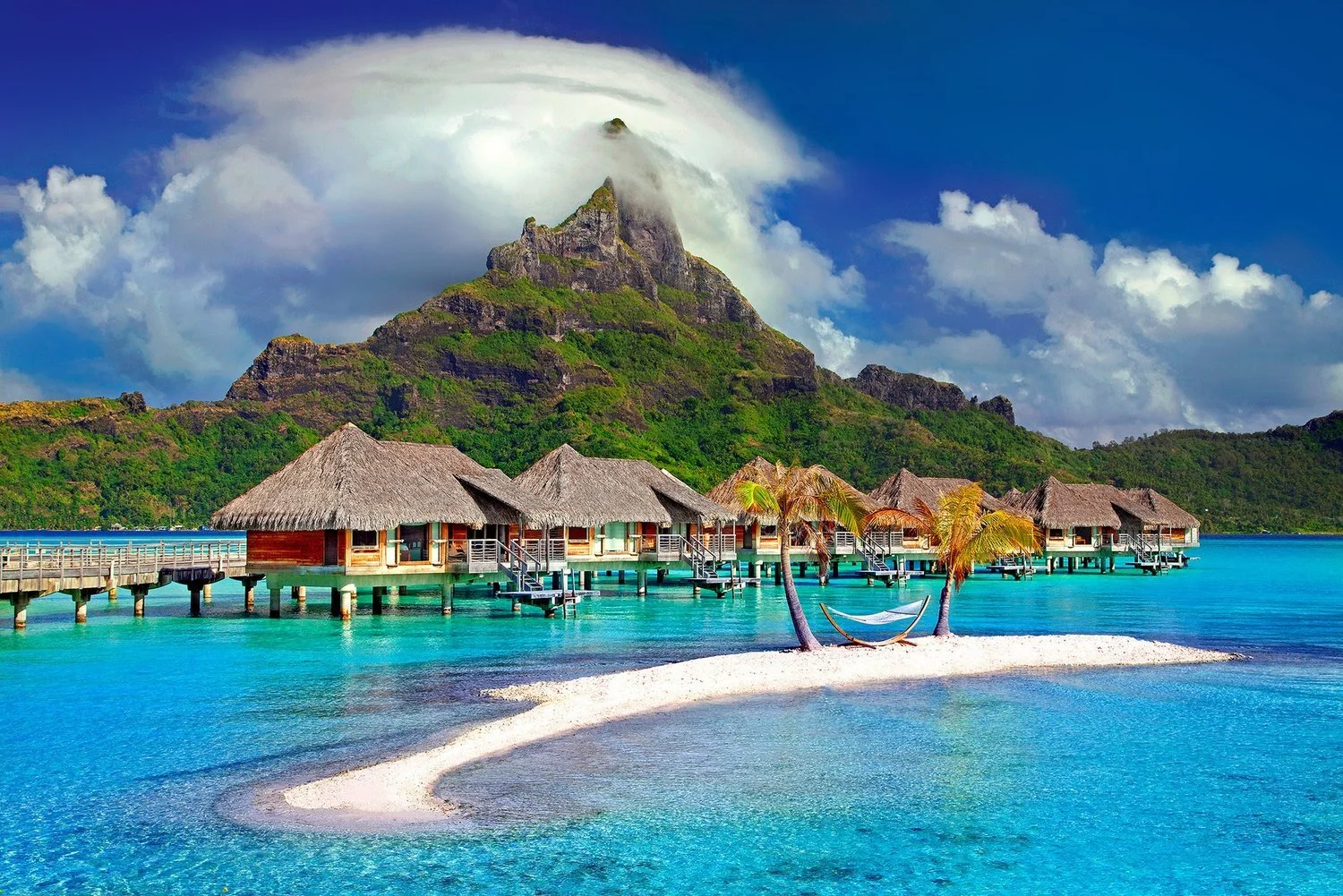
The modern holidaymaker faces an enviable dilemma when planning an escape across the Atlantic. With dozens of inhabited islands scattered across millions of square kilometres of tropical ocean, determining the best islands in the Caribbean requires a clear understanding of what you actually want out of your time away. A common misstep is assuming that proximity equals similarity; in reality, two islands separated by less than fifty miles of water can offer completely polar experiences.
To navigate this region effectively, travellers must first categorize islands by their primary physical characteristics: flat coral atolls, dramatic volcanic landmasses, and large culturally rich territories. Each geographical profile dictates the style of accommodation, available activities, and overall atmosphere of the trip.
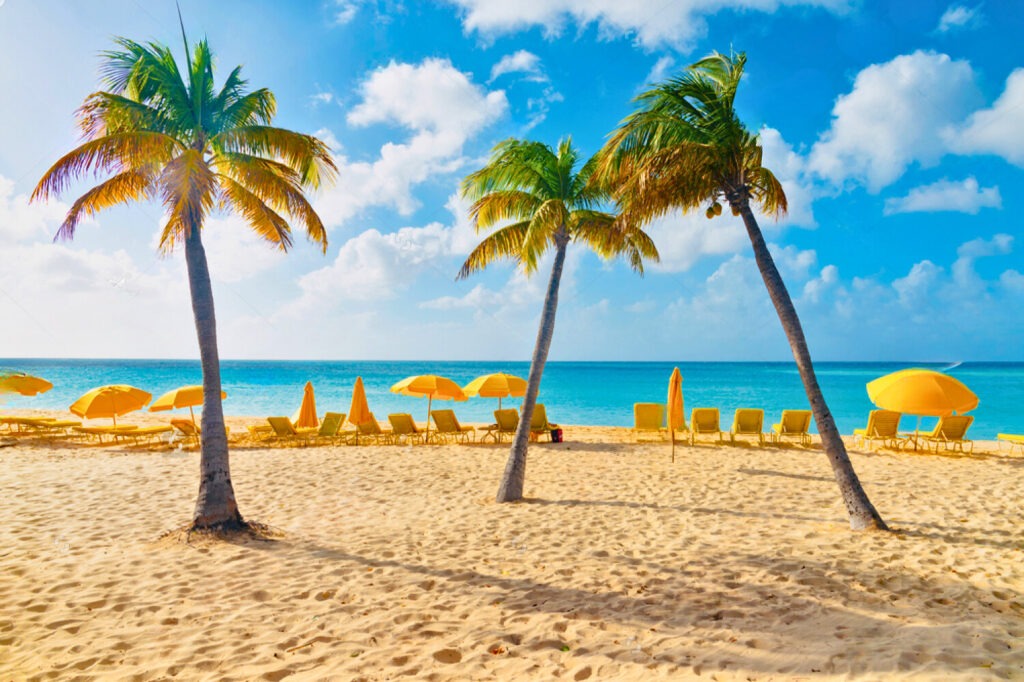
Flat coral and limestone islands—such as Anguilla, Aruba, and the Cayman Islands—are world-famous for their sand quality and dry climates. Because these landmasses lack high mountain ranges to trap rain clouds, they experience significantly less annual rainfall than their lush, mountainous counterparts. Aruba, situated in the far south near the South American coast, sits outside the traditional hurricane belt, making it a reliable destination for year-round sunshine. The beaches on these islands are characterized by bright white, cool-to-the-touch sand and crystal-clear, shallow sea conditions ideal for multi-generational family holidays.
Conversely, high-relief volcanic islands like Dominica, Saint Lucia, and Saint Vincent showcase the wilder side of the tropics. Dominica, often dubbed the Nature Island, deliberately avoids luxury shopping strips and large-scale resort developments. Instead, it offers thick rainforests, boiling geothermal lakes, deep freshwater gorges, and the Waitukubuli National Trail—the longest continuous hiking route in the region. Accommodation here leans heavily toward boutique eco-lodges integrated into the jungle canopy, catering to trail runners, divers, and wildlife enthusiasts who prioritise adventure over passive relaxation.
Then there are the multifaceted islands that bridge the gap between leisure and exploration. Barbados and Antigua offer polished, well-established tourist corridors alongside rich maritime history. Visiting Nelson’s Dockyard in Antigua—a fully restored Georgian naval base and UNESCO site—provides a tangible link to 18th-century maritime strategy, while the island’s sheltered anchorages remain a global hub for the international sailing community.
The future of Caribbean travel will undoubtedly be shaped by how seamlessly destinations adapt to changing climatic patterns and evolving visitor desires. As high-end travellers increasingly demand authenticity, lower environmental impact, and private, spacious living arrangements, the market is shifting toward sustainable boutique properties and private villa rentals.
Finding your ideal tropical getaway comes down to honest self-assessment. If uninterrupted sunbathing on blindingly white sand is your priority, the limestone atolls will satisfy every requirement. If you crave hiking through mist-covered peaks before cooling off beneath a rainforest waterfall, direct your gaze to the volcanic inner arc. The West Indies is not a single destination, but a diverse realm waiting to be understood on its own terms.
FAQs
What is the main difference between coral atolls and volcanic islands in the Caribbean? Coral atolls like Anguilla and Aruba are flat, low-lying, and experience minimal rainfall, resulting in dry weather and powdery white beaches. Volcanic islands like Dominica and Saint Lucia feature steep, lush mountains, rainforests, and higher rainfall, making them ideal for eco-adventure.
Which Caribbean islands lie outside the main hurricane belt? Aruba, Bonaire, and Curaçao (the ABC islands), situated in the far southern region near South America, sit south of the traditional hurricane belt, making them exceptionally reliable destinations during the summer and autumn months.
Why is Dominica considered a unique choice for modern escapists? Dominica intentionally prioritises nature over mass luxury. Instead of sprawling beach resorts, it features eco-lodges, the 115-mile Waitukubuli hiking trail, freshwater gorges, boiling geothermal lakes, and exceptional whale-watching opportunities.
What makes Antigua a premier destination for sailing enthusiasts? Antigua features an intricate, highly sheltered coastline with 365 natural coves and bays. Historic sites like Nelson’s Dockyard highlight its rich maritime history, and it continues to host international regattas drawing sailors globally.
How should I choose between an all-inclusive resort and a private villa rental? All-inclusive resorts suit travellers seeking hassle-free convenience, pre-paid meals, and structured amenities. Private villa rentals offer greater autonomy, privacy, space, and a better opportunity to dine out at local island establishments.
You may also read: The Ultimate Guide to Finding the Best Sandwich Shops Near Me in London