A late-night journey across European skies can occasionally take a dramatic and unforeseen turn when urgent human situations unfold thousands of feet in the air. Passengers boarding commercial aircraft expect a routine and tranquil trip to their intended destinations, but aviation safety protocols must always prioritize human life far above rigid schedule adherence. Such an unexpected scenario materialized when a scheduled international flight experienced a major disruption over British airspace, drawing the immediate attention of both aviation enthusiasts and worried family members waiting on the ground.
The unfolding situation quickly dominated local news feeds and real-time aviation tracking platforms as people searched for accurate updates regarding the status of the aircraft. Travel disruptions are never easy for anyone involved, yet they provide a fascinating glimpse into the complex machinery of modern commercial aviation. This particular incident showcased how rapidly flight crews, ground personnel, and emergency responders can synchronize their efforts to manage a crisis smoothly and efficiently.
Flight U2238 Route Timeline and Incident Overview
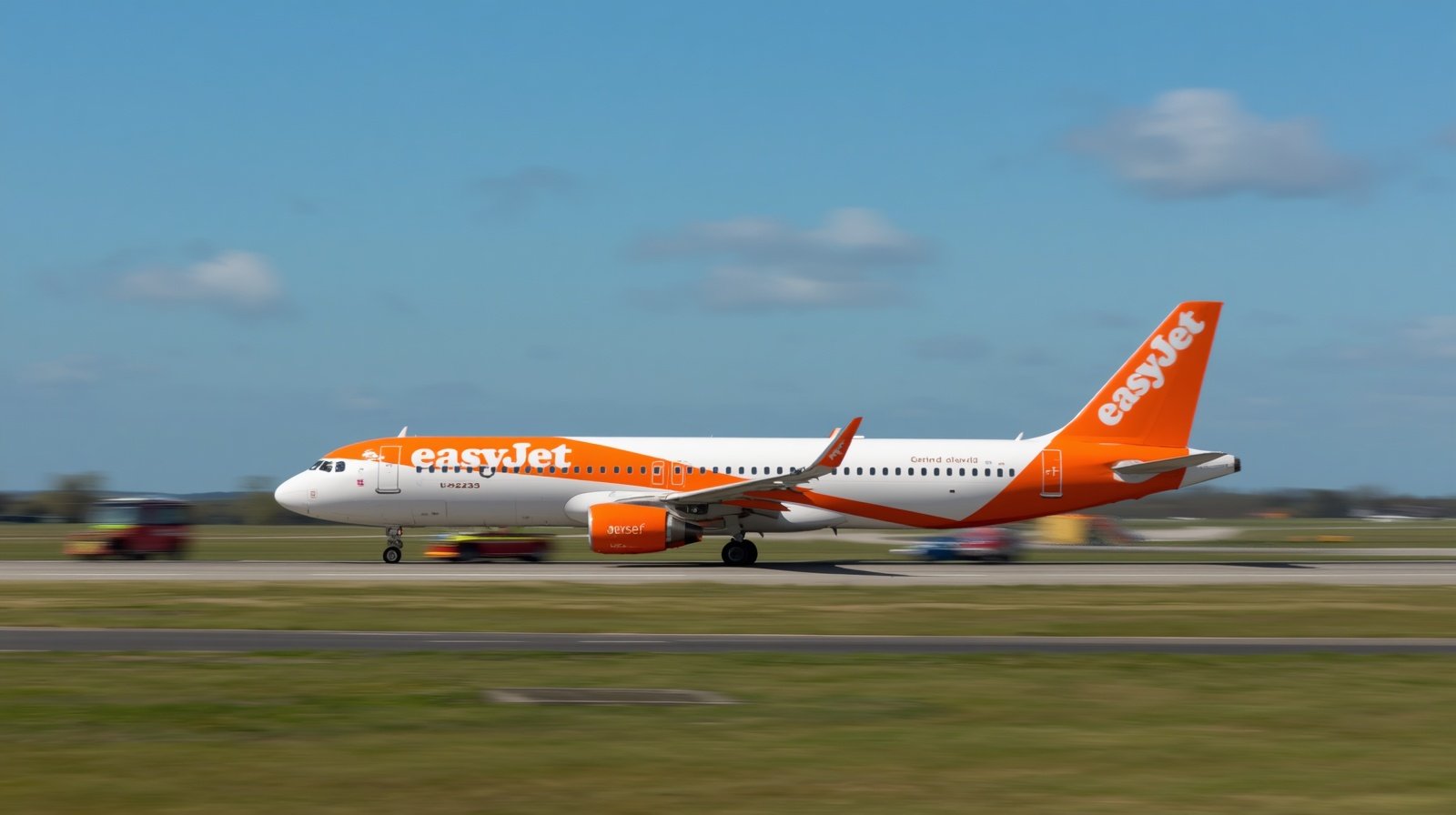
The scheduled itinerary for the service originally involved traveling from Copenhagen Airport directly to Manchester Airport under completely normal operating conditions and standard weather parameters. Operating as an Airbus aircraft, easyjet flight u2238 emergency landing newcastle became an absolute necessity while the plane was navigating through busy regional air corridors over the United Kingdom. Flight tracking data clearly indicated that the journey was proceeding according to plan until a sudden and critical decision was made by the flight deck to alter the predetermined course completely.
The critical turning point occurred as the cabin crew carefully assessed the worsening health status of a traveler and immediately contacted air traffic control to declare an urgent diversion. Opting for the closest suitable runway to ensure rapid medical intervention, the aircraft redirected its flight path toward the North East of England. The plane touched down safely just before eleven o’clock in the evening local time, successfully concluding a tense and high-stakes hour for every single person on board.
The Cause Urgent Passenger Medical Attention
Official airline statements later confirmed that the unplanned diversion was exclusively triggered by a customer on board who required immediate, specialized medical care. Medical emergencies occurring at high altitudes always demand swift, decisive action from cabin crew members who undergo rigorous training to handle sudden health crises professionally. In the case of easyjet flight u2238 emergency landing newcastle, the sheer severity of the passenger condition left the pilots with zero hesitation regarding altering their flight plan to seek immediate assistance.
Major commercial airlines maintain strict safety guidelines that mandate landing at the nearest appropriate airport whenever a potentially life-threatening health issue arises mid-journey. By diverting to a well-equipped regional hub, the flight crew ensured that professional medical intervention could be accessed as rapidly as humanly possible. This decisive and compassionate action underscores the unwavering commitment of commercial aviation operators to place absolute passenger safety above all operational metrics.
Ground Response Emergency Services on Standby at Newcastle Airport

Intense coordination between regional air traffic control and ground personnel began long before the commercial aircraft actually touched down on the tarmac. Upon receiving the urgent distress call from the cockpit, Newcastle Airport immediately mobilized local emergency services, including specialized paramedics and rapid response medical vehicles. These dedicated teams were strategically positioned and waiting on standby to meet easyjet flight u2238 emergency landing newcastle the very moment the main cabin door was opened.
Once the massive aircraft came to a complete halt, medical professionals boarded the plane swiftly to evaluate, stabilize, and treat the distressed traveler in a controlled environment. This seamless integration between flight operations and ground emergency units ensured that the patient received immediate expert care without wasting a single precious second. Such remarkable efficiency demonstrates the high level of preparedness and operational readiness maintained at major UK aviation hubs during unexpected crises.
Continuing the Journey Post Landing Protocol and Refueling
Following the successful medical intervention and the safe removal of the affected individual, the aircraft required standard ground servicing before resuming its journey. While the passenger received further specialized care off-site, ground crews focused heavily on quick refueling and conducting mandatory safety checks. Managing easyjet flight u2238 emergency landing newcastle required careful logistical coordination to minimize any further cumulative delays for the remaining passengers waiting patiently onboard.
After successfully completing all necessary technical protocols, the aircraft was formally cleared for takeoff to finish the final remaining leg of the trip to Manchester. Passengers experienced an understandably delayed arrival at their final destination, but the overarching sentiment across the cabin was one of profound relief and quiet understanding. Airline support systems quickly stepped in to assist travelers with onward logistical arrangements following the highly unusual overnight disruption.
Airline Passenger Welfare and Emergency Diversion Policies
Commercial airlines operate under extremely strict regulatory frameworks designed to handle unexpected in-flight medical emergencies with maximum efficiency and genuine care. The successful execution of easyjet flight u2238 emergency landing newcastle brilliantly reflects standard industry protocols that place human welfare at the absolute center of every operational decision. Flight attendants undergo continuous, thorough training to administer first aid, manage emergency oxygen equipment, and assess medical urgency accurately while airborne.
When unexpected diversions inevitably occur, airlines coordinate extensively with dedicated ground staff to look after the comfort, dietary, and communication needs of all remaining passengers. Transparent, timely updates and supportive customer service help significantly alleviate the natural anxiety that arises during sudden schedule changes. This systematic and empathetic approach ensures that high safety standards remain completely uncompromised throughout every unexpected phase of the flight.
Conclusion and Future Implications of Aviation Safety
The unexpected events surrounding easyjet flight u2238 emergency landing newcastle serve as a powerful, timely reminder of the unpredictable nature of modern air travel. Through the flawless coordination of skilled flight crews, attentive air traffic controllers, and specialized medical teams, a potential tragedy was averted with utmost professionalism and care. Ultimately, the incident highlights the vital importance of prioritizing human life and maintaining robust emergency protocols across the entire global aviation industry.
You may also read: Passenger Experience & Operational Impact at London Heathrow