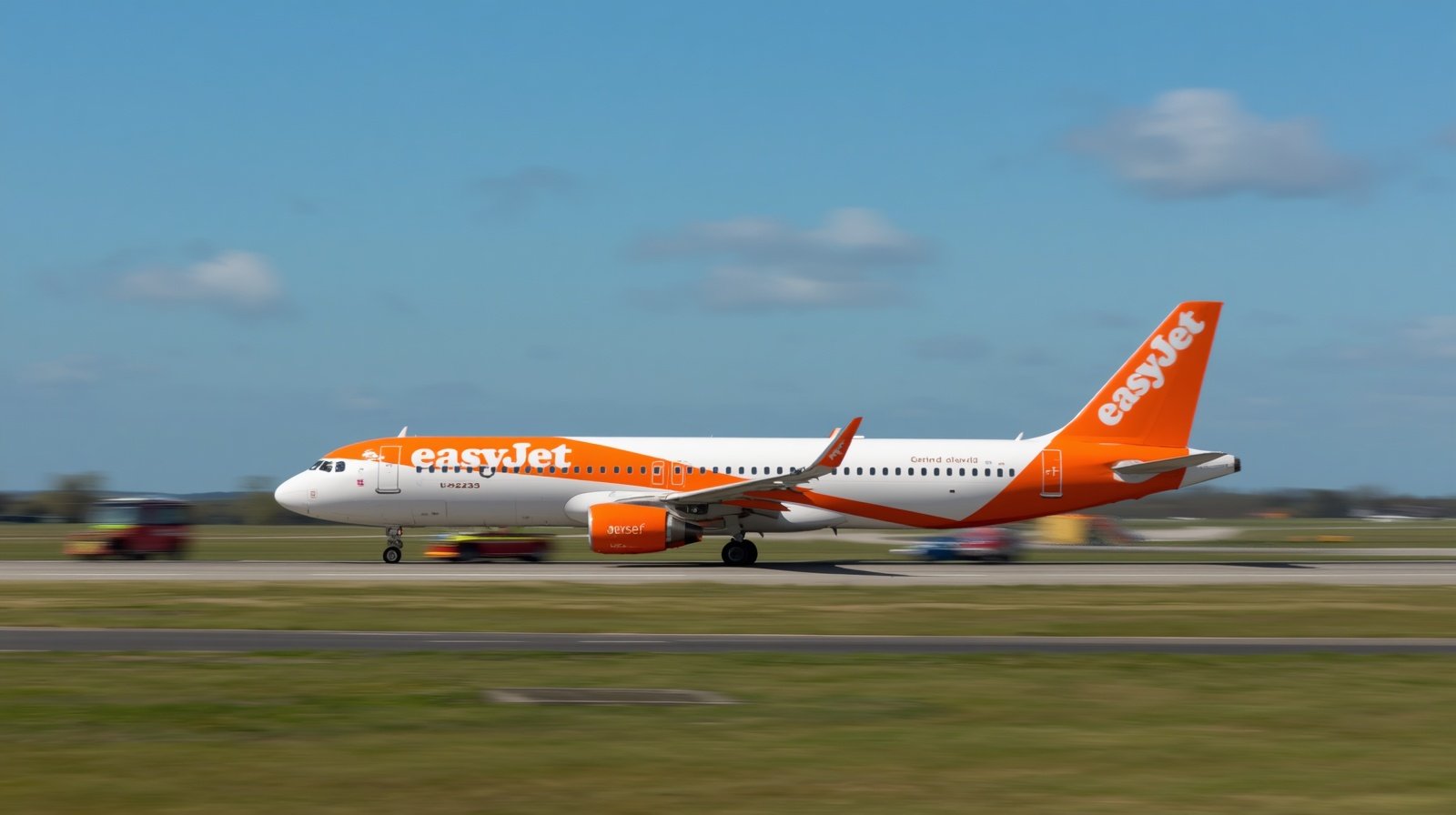
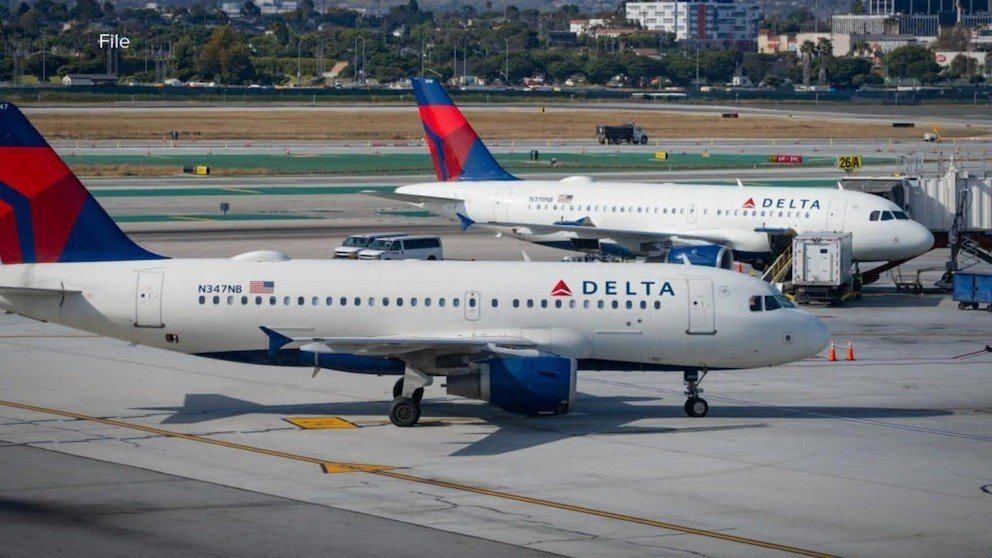
Long-haul transpacific journeys represent one of the most remarkable triumphs of modern commercial aviation engineering. Every single day, thousands of international passengers board widebody jetliners expecting seamless service across vast oceanic corridors, placing absolute trust in advanced flight deck computer systems to navigate long distances safely. However, unexpected technical anomalies can suddenly alter flight paths across remote regions. When delta flight dl275 diverted lax, a routine long-haul crossing turned into an extraordinary twelve-hour journey to nowhere.
The scheduled flight route was designed to connect Detroit Metropolitan Wayne County Airport directly to Tokyo Haneda Airport across polar airspace. Operating a modern Airbus A350-900 twinjet, the experienced flight crew encountered unexpected system warning alerts while cruising high over the cold North Pacific region. Rather than taking unnecessary operational risks across remote freezing skies, the captain initiated immediate precautionary action. The strategic decision meant that delta flight dl275 diverted lax, turning around mid-ocean to land safely in California.
Flight Path Breakdown: From Detroit to the Bering Sea and Back to LAX
The initial departure phase progressed smoothly as the modern widebody airliner climbed to its assigned cruising altitude and tracked northwest across Canada toward Alaska. Reaching the remote oceanic corridor near the Bering Sea, the flight crew continuously monitored atmospheric parameters and engine telemetry. It was precisely over these freezing northern waters that cockpit instruments flagged an internal bleed air temperature anomaly. This critical moment marked the exact turnaround where delta flight dl275 diverted lax instead of pushing forward.
Rather than making an emergency landing at small, isolated regional airfields across northern Alaska, the flight crew initiated a wide sweeping turn southward. The twin-engine aircraft spent nearly five hours traversing back toward the continental United States, eventually lining up for a safe landing at Los Angeles. This carefully planned rerouting ensured the aircraft remained comfortably within approved ETOPS safety margins while heading directly toward a major hub. Consequently, delta flight dl275 diverted lax, successfully completing a lengthy detour.
The Technical Cause: Understanding Engine Anti-Ice System Failure
Modern commercial aircraft engines rely heavily on sophisticated thermal protection systems while operating through freezing high-altitude atmospheric conditions. The advanced Rolls-Royce Trent XWB turbofan engines utilize superheated bleed air diverted from compressor stages to keep intake cowls completely clear of dangerous ice build-up. Operating at extremely elevated temperatures, this protective thermal boundary prevents rapid ice formation on sensitive engine fan blades. When sensors detected a reduction in bleed air flow, thermal protection was significantly compromised.
Flying through sub-zero moisture without fully functional thermal protection exposes high-bypass propulsion units to severe aerodynamic hazards. Heavy ice accumulation on intake cowls can suddenly break away, potentially causing severe internal blade damage, severe vibration, or engine airflow distortion. Because transoceanic flight paths lack immediate emergency runways, strict international safety regulations require pilots to alter course when anti-ice capabilities fail. Understanding these severe environmental hazards explains why delta flight dl275 diverted lax to avoid flying deeper into icing conditions.
The Passenger Experience: 12 Hours in the Air to Nowhere
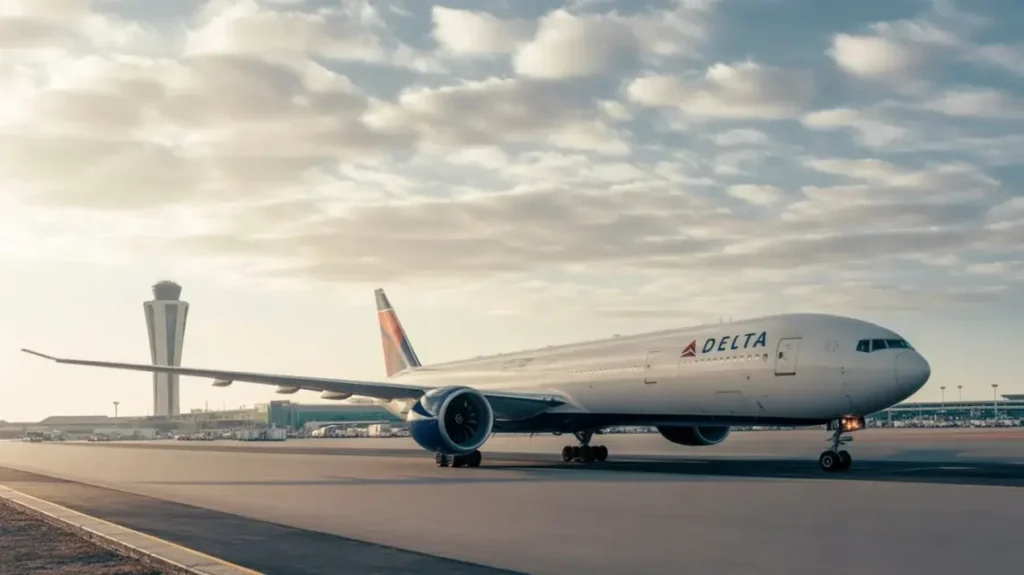
For the international travellers on board, what began as an exciting cross-continental journey transformed into an exhausting return voyage back to American soil. Hours after departure, cabin crew announcements informed travelers of the mechanical issue and the unavoidable decision to turn the aircraft around. The atmosphere inside the cabin remained entirely calm and orderly as flight attendants worked tirelessly to assist passengers throughout the lengthy return flight. Even so, spending twelve hours in the air only to land back in North America created immense travel disruption.
Upon touching down smoothly at Los Angeles International Airport, dedicated ground operations teams met the arriving widebody aircraft to manage passenger logistics. Ground staff quickly coordinated emergency hotel accommodation, meal vouchers, and revised flight schedules for hundreds of stranded international travelers. Although onward travel plans were heavily delayed, the professional response demonstrated clear duty-of-care protocols during long-haul diversions. Ultimately, delta flight dl275 diverted lax without a single passenger injury, proving that safety remains the absolute top priority.
Strategic Logistics: Why Diversion Choices Matter to Major Carriers
Selecting the ideal alternate airport during an oceanic turnaround involves complex mathematical and operational calculations by flight dispatchers. While closer regional airfields existed in cold northern latitudes, landing a massive widebody airliner at an isolated outstation presents nightmare logistical scenarios. Small airports lack specialized widebody towing gear, heavy engineering hangars, or sufficient terminal capacity to handle hundreds of international passengers. Diverting to a major hub avoids stranding an expensive aircraft without technical backup.
Los Angeles International Airport serves as a major West Coast operational base for Delta Air Lines, offering world-class engineering infrastructure. The airport maintains fully certified maintenance crews, specialized tooling, and spare engine components specifically tailored for Airbus A350 fleet support. Furthermore, operating out of a primary hub provides dozens of daily connecting flights to rebook affected travelers efficiently onto alternative flights. These key operational advantages explain why delta flight dl275 diverted lax rather than landing at a remote northern airfield.
Industry Analysis: Safety Protocols and Predictive Maintenance
The decision to execute a massive transoceanic turnaround highlights the conservative safety culture that governs modern commercial aviation. Flight crews undergo rigorous simulator training to ensure they prioritize precautionary safety protocols over rigid schedule pressures whenever primary system redundancies fail. When automated engine monitoring systems trigger critical cockpit alerts over ocean tracks, standardized checklists mandate diverting toward favorable environmental conditions. This disciplined approach prevents minor mechanical discrepancies from escalating into serious emergencies.
This dramatic event also illustrates how real-time engine telemetry and predictive analytics are revolutionizing international fleet maintenance. Modern jet engines continuously transmit real-time diagnostic metrics directly to airline engineering teams on the ground via satellite links. Advanced algorithms can detect subtle pressure shifts or valve performance delays, allowing ground crews to address component wear before major failures occur. As predictive health monitoring continues to mature, incidents where delta flight dl275 diverted lax will become increasingly rare.
Conclusion
The high-profile diversion of flight DL275 highlights the relentless safety standards that safeguard global passenger aviation every day. While a twelve-hour flight ending at a completely different airport is undoubtedly frustrating for travelers, it clearly demonstrates that passenger safety will always override operational convenience. The flight crew’s swift decision to reverse course preserved aircraft integrity and ensured everyone on board landed without incident.
From a broader logistical perspective, selecting Los Angeles International Airport allowed Delta Air Lines to resolve complex maintenance requirements and passenger arrangements effectively. The incident provides fascinating insights into thermal engine anti-ice protection, ETOPS operational planning, and modern airline hub logistics. Ultimately, the memorable occasion where delta flight dl275 diverted lax confirms that modern aviation safety procedures function seamlessly when mechanical challenges arise.
Frequently Asked Questions (FAQs)
Why did Delta Flight DL275 divert to LAX instead of landing in Alaska?
The flight crew selected Los Angeles International Airport because it serves as a primary hub for Delta Air Lines, featuring dedicated maintenance facilities and engineers trained specifically on the Airbus A350. Smaller regional airports across Alaska lack the specialized heavy equipment, replacement parts, and passenger handling facilities necessary to accommodate a long-haul widebody aircraft efficiently.
What technical issue caused the diversion of Delta Flight DL275?
The diversion was triggered by a technical malfunction within the engine anti-ice thermal system while operating over the cold North Pacific Ocean. This critical system channels superheated bleed air from the engine compressor to prevent dangerous ice formation on the engine intake cowls during high-altitude operations in sub-zero atmospheric conditions.
What type of aircraft was operating Delta Flight DL275?
The flight was operated using a modern Airbus A350-900 twin-engine widebody jetliner, which serves as Delta Air Lines’ flagship long-haul aircraft. The state-of-the-art jet is specifically engineered for long transoceanic routes connecting North America with major destinations across Asia and Europe.
Is an engine anti-ice system failure considered an emergency landing?
While an engine anti-ice failure does not cause an immediate engine shutdown, it presents a serious safety risk when flying through known icing conditions at high altitudes. Pilots execute a diversion as a precautionary measure to prevent ice ingestion, mechanical fan blade damage, or severe engine airflow disruption over remote oceanic routes.
How long were passengers in the air before landing at LAX?
Passengers were on board the aircraft for approximately twelve hours in total from initial takeoff to final touchdown. This extended time included the initial flight hours heading northwest from Detroit toward the Bering Sea, followed by the five-hour return leg heading south to Los Angeles International Airport.
You may also read: Thiel Capital and Strategic Venture Investments