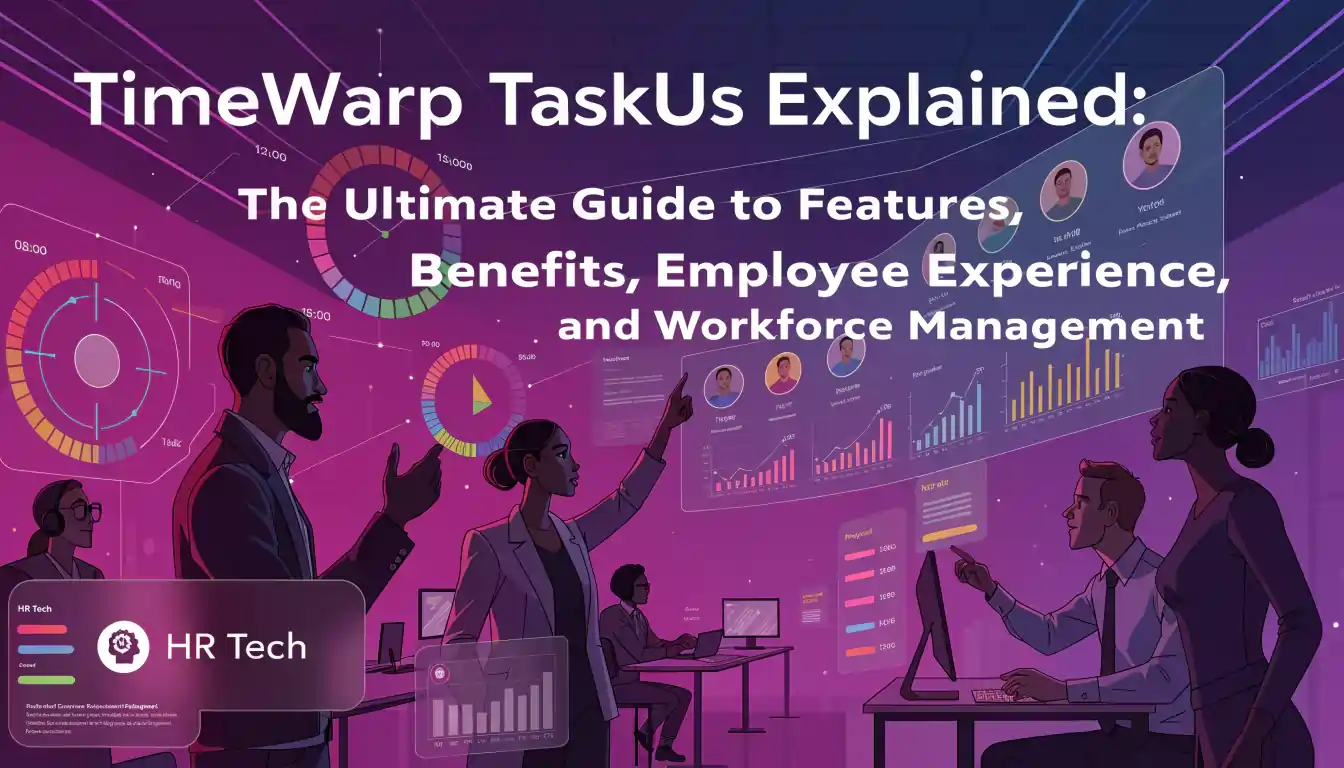
TimeWarp TaskUs has become a popular search term among employees, job seekers, and business professionals interested in workforce management technology. As organizations continue embracing digital transformation, companies are increasingly relying on advanced platforms to manage employee schedules, monitor productivity, improve operational efficiency, and streamline workforce planning.
TaskUs is known for its innovative approach to outsourcing and customer experience services, and TimeWarp is often discussed as a workforce optimization solution associated with its operational environment. The platform is designed to help managers gain better visibility into employee performance while ensuring teams remain productive and aligned with business objectives.
Whether you are a current employee, a potential applicant, or simply curious about modern workforce management systems, understanding how taskus timewarp works can provide valuable insights into today’s data-driven workplace. This guide covers everything from its core features and functionality to employee concerns, benefits, and future developments.
What Is TimeWarp TaskUs?
TimeWarp TaskUs is commonly described as a workforce management and productivity platform that helps organizations coordinate employee activities, schedules, attendance, and performance metrics through a centralized system.
Unlike traditional time-tracking tools that only record work hours, TimeWarp integrates multiple workforce management functions into one platform. It enables supervisors to monitor operational performance in real time, forecast staffing needs, and make informed decisions using analytics and reporting tools.
The platform serves as a bridge between employees and management by creating a structured environment where work schedules, performance indicators, and productivity data can be accessed efficiently. This level of visibility helps organizations maintain service quality while improving operational effectiveness.
Understanding TaskUs and Its Digital Workplace Culture
Before diving deeper into TimeWarp, it helps to understand the company behind it.
TaskUs is a global outsourcing and digital services company that supports many of the world’s fastest-growing technology brands. The company specializes in customer support, content moderation, trust and safety services, AI operations, and back-office solutions.
As organizations grow and manage thousands of employees across multiple locations, workforce management becomes increasingly complex. Platforms like TimeWarp are developed to solve these challenges by providing managers with accurate, real-time workforce information.
The integration of technology into workplace operations reflects the company’s emphasis on innovation, efficiency, and scalable growth.
Why Was TimeWarp TaskUs Developed?
Modern business environments require rapid decision-making and efficient workforce allocation. Traditional scheduling methods often involve spreadsheets, manual reporting, and disconnected systems that can create delays and inaccuracies.
TimeWarp was developed to address these operational challenges by introducing automation and centralized workforce management.
Its primary objectives include:
- Improving workforce visibility
- Reducing scheduling conflicts
- Enhancing employee accountability
- Streamlining attendance management
- Increasing productivity
- Supporting business forecasting
- Providing actionable performance insights
By automating routine administrative processes, organizations can focus more on strategic goals and customer satisfaction.
How Does Time Warp TaskUs Work?
TimeWarp functions as a centralized digital platform where workforce-related activities are tracked and managed.
The system typically follows a structured workflow that begins when employees start their shifts and continues throughout the workday.
Employee Login and Authentication
Employees access the platform using their assigned credentials. Authentication ensures that attendance records and productivity metrics are accurately associated with each individual user.
This process establishes a secure connection between employees and the organization’s workforce management system.
Attendance and Time Tracking
Once logged in, employees’ work hours are recorded automatically. Attendance tracking helps organizations maintain accurate payroll records and compliance documentation.
The system may monitor:
- Clock-in times
- Clock-out times
- Break durations
- Overtime hours
- Absences
- Schedule adherence
Accurate attendance tracking reduces manual errors and simplifies workforce reporting.
Task Assignment and Workflow Management
Managers can assign tasks based on operational priorities and workforce availability.
This allows organizations to:
- Balance workloads
- Improve resource utilization
- Reduce downtime
- Increase efficiency
Employees receive clear guidance regarding their responsibilities, helping teams stay aligned with business objectives.
Performance Monitoring
Throughout the workday, performance metrics are collected and analyzed.
Common indicators include:
- Productivity levels
- Task completion rates
- Service quality scores
- Utilization metrics
- Attendance performance
Real-time monitoring helps supervisors identify trends and address issues before they impact overall operations.
Core Features of Time Warp TaskUs
Advanced Workforce Scheduling
Scheduling is one of the most important aspects of workforce management.
TimeWarp enables organizations to create optimized schedules based on staffing requirements, customer demand, and employee availability.
Benefits include:
- Reduced scheduling errors
- Better shift coverage
- Improved employee planning
- Enhanced operational efficiency
Automated scheduling helps ensure the right number of employees are available at the right time.
Real-Time Productivity Tracking
The platform provides real-time insights into workforce performance.
Managers can view dashboards displaying productivity metrics and operational data, enabling faster decision-making and improved accountability.
This feature is particularly valuable in fast-paced environments where service levels must be maintained consistently.
Performance Analytics and Reporting
Data-driven decision-making is a major advantage of TimeWarp.
The platform generates detailed reports covering:
Employee Productivity Trends
Organizations can evaluate individual and team performance over time.
Attendance Analysis
Attendance reports help identify patterns that may affect operational efficiency.
Workforce Utilization
Managers can determine whether resources are being used effectively.
Operational Performance Metrics
Reports provide valuable insights into business performance and service quality.
Analytics help organizations continuously improve workforce management strategies.
Automated Workforce Forecasting
Forecasting tools use historical data and operational trends to predict future staffing requirements.
Benefits include:
- Improved workforce planning
- Better resource allocation
- Reduced understaffing risks
- Enhanced customer service performance
Forecasting enables organizations to prepare proactively rather than reactively.
Compliance Management
Many industries require strict compliance with labor regulations and client requirements.
TimeWarp assists organizations by maintaining accurate records and activity logs.
This supports:
- Internal audits
- Regulatory compliance
- Documentation requirements
- Operational transparency
Compliance management reduces administrative burdens while minimizing risks.
Centralized Dashboard
Managers can access workforce information from a single interface.
The dashboard provides visibility into:
- Employee schedules
- Attendance data
- Productivity metrics
- Workforce forecasts
- Performance reports
Centralized management improves decision-making and operational control.
Benefits of Time Warp TaskUs for Businesses
Improved Operational Efficiency
Automation reduces repetitive administrative tasks and improves overall workflow efficiency.
Managers spend less time on manual scheduling and reporting while focusing more on strategic initiatives.
Better Workforce Visibility
Real-time data provides a comprehensive view of workforce activities.
This visibility allows managers to make informed decisions quickly.
Enhanced Customer Experience
Proper staffing levels help organizations maintain service quality and customer satisfaction.
When teams are scheduled effectively, customer issues can be resolved more efficiently.
Cost Reduction
Improved workforce planning helps reduce unnecessary labor costs while maximizing productivity.
Organizations can allocate resources more effectively and avoid overstaffing.
Scalability
TimeWarp supports growing organizations by providing systems capable of managing large, distributed teams.
As businesses expand, workforce management remains efficient and consistent.
Benefits of Time Warp TaskUs for Employees
Clear Expectations
Employees gain a better understanding of performance goals and productivity expectations.
This clarity helps individuals focus on achieving measurable outcomes.
More Organized Scheduling
Automated scheduling reduces confusion and provides greater predictability regarding work hours.
Employees can plan their personal and professional commitments more effectively.
Faster Performance Feedback
Real-time performance tracking allows supervisors to provide timely coaching and support.
This can contribute to professional growth and skill development.
Fairer Work Distribution
Workload management features help distribute tasks more evenly among team members.
Balanced workloads can improve job satisfaction and reduce stress.
Employee Concerns About Time Warp TaskUs
Like many workforce management platforms, TimeWarp has generated discussions among employees regarding monitoring and workplace transparency.
Privacy Concerns
Some employees worry about the amount of data collected during work activities.
Organizations must ensure that workforce monitoring remains transparent and focused on legitimate business purposes.
Increased Performance Pressure
Performance metrics can motivate productivity, but they may also create pressure for some employees.
Maintaining a healthy balance between accountability and employee well-being is essential.
Fear of Micromanagement
Continuous monitoring can sometimes lead employees to feel overly supervised.
Successful implementation requires trust, communication, and responsible use of performance data.
Data Interpretation Challenges
Numbers alone do not always capture the full scope of employee contributions.
Organizations should combine quantitative metrics with qualitative evaluations when assessing performance.
Is Time Warp TaskUs an Employee Monitoring Tool?
One of the most frequently asked questions is whether TimeWarp functions as an employee surveillance system.
The platform is primarily designed as a workforce management solution rather than a surveillance tool. Its main focus is on attendance tracking, scheduling, productivity monitoring, and operational performance.
While performance metrics are collected, the purpose is generally to improve workforce efficiency and support business operations rather than monitor personal activities unrelated to work.
The effectiveness of the platform ultimately depends on how organizations choose to implement and manage it.
TimeWarp TaskUs vs Traditional Workforce Management Systems
| Feature | Traditional Systems | TimeWarp TaskUs |
|---|---|---|
| Scheduling | Mostly Manual | Automated |
| Attendance Tracking | Basic | Advanced |
| Analytics | Limited | Real-Time |
| Reporting | Periodic | Continuous |
| Forecasting | Minimal | Data-Driven |
| Workforce Visibility | Restricted | Comprehensive |
| Automation | Low | High |
| Scalability | Moderate | Excellent |
This comparison demonstrates why modern organizations increasingly adopt advanced workforce management platforms.
How TimeWarp Supports Remote and Hybrid Work Environments
As remote and hybrid work arrangements continue growing, organizations require systems capable of managing distributed teams.
TimeWarp helps organizations:
- Monitor workforce availability
- Track attendance remotely
- Maintain operational visibility
- Coordinate schedules across locations
- Ensure consistent performance standards
These capabilities make the platform especially valuable in today’s flexible work environment.
The Future of Time Warp TaskUs
Workforce technology continues evolving rapidly.
Future enhancements may include:
Artificial Intelligence Integration
AI could improve scheduling accuracy, workload balancing, and performance forecasting.
Predictive Analytics
Advanced analytics may help organizations identify potential workforce challenges before they occur.
Enhanced Employee Experience Features
Future updates may place greater emphasis on employee engagement, wellness, and career development.
Greater Automation
Additional automation could further reduce administrative tasks and improve operational efficiency.
As technology advances, workforce management platforms are expected to become increasingly intelligent and employee-focused.
Why Is Time Warp TaskUs Gaining Popularity?
Several factors contribute to the growing interest in TimeWarp:
- Increased digital transformation initiatives
- Expansion of remote work models
- Rising demand for workforce optimization
- Greater reliance on data-driven decision-making
- Need for improved operational efficiency
- Growing focus on employee productivity
Organizations recognize that effective workforce management is critical to maintaining competitiveness in today’s business environment.
FAQs
1. What is TimeWarp TaskUs used for?
Time Warp TaskUs is used for workforce management, including employee scheduling, attendance tracking, productivity monitoring, performance analytics, and workforce planning.
2. Does TimeWarp TaskUs track employee productivity?
Yes. The platform helps organizations monitor productivity metrics, task completion rates, attendance, and operational performance to improve efficiency.
3. Is Time Warp TaskUs only for large companies?
While it is particularly beneficial for large organizations and BPO companies, workforce management systems can be useful for businesses of various sizes.
4. Does Time Warp TaskUs help with scheduling?
Yes. One of its key features is automated workforce scheduling, which helps organizations optimize staffing levels and reduce scheduling conflicts.
5. Is employee privacy protected when using TimeWarp?
Organizations are generally expected to follow company policies and applicable regulations regarding employee data collection and privacy.
6. What makes Time Warp TaskUs different from traditional workforce management software?
TimeWarp combines real-time analytics, workforce forecasting, automation, performance tracking, and centralized reporting into a single platform, offering greater visibility and efficiency than many traditional systems.
Final Thoughts
TimeWarp TaskUs represents the growing trend toward technology-driven workforce management. By combining scheduling, attendance tracking, productivity monitoring, analytics, and automation into a single platform, it provides organizations with the tools needed to manage modern workforces effectively.
For businesses, the platform offers improved visibility, efficiency, and scalability. For employees, it can provide clearer expectations, better scheduling, and more structured performance feedback. While concerns regarding monitoring and workplace transparency remain important considerations, TimeWarp’s primary purpose is to help organizations optimize operations and support workforce success.
As workforce management technology continues to evolve, platforms like TimeWarp are likely to play an increasingly important role in shaping the future of work.
You may also read
Always Businesses SocialBizMagazine: A Complete Guide to Building a Future-Ready Business